An Inspired August
Laylah Amatullah Barrayn
In moments like this, when we watch the loss of so much funding and support, from NEA grants down to regional PBS stations, all of this feels so heavy. These aren’t abstract numbers on a budget line. It’s real life. This has trickled down to artists I know personally: people who were counting on those funds to create, to keep their studios open, to continue projects, and simply to live.
When institutional backing pulls back, it forces us to look inward and listen outward. Inward: to remember who we are and what has always sustained us; outward: to tune into the quiet, resilient ways our communities are organizing on the ground. When traditional systems fail us, we do what we have always done: we convene, we come together.
I am an August Leo, and I carry a deep pride in the ancestral weight this month holds for our movements. The start of the Haitian Revolution to the Independence of Jamaica, Barbados and other former British colonies. On August 2nd alone, we mark the birth of James Baldwin, whose relentless clarity still guides how we think and resist, and the transition of Fela Kuti, who weaponized music to defy state violence and demand political liberation. They belong to a fierce August lineage, alongside revolutionary visionaries like Marcus Garvey, Fred Hampton, and Marsha P. Johnson, that reminds us that our art and activism must always serve our collective freedom.
When things get hard, I ground myself in the words of Toni Morrison, who reminded us that during dark times, the role of the artist is to create—and to create intensely. I feel that same urgency in Nina Simone’s voice, calling on the artist’s duty to reflect the times and compel us to act and resist.
That drive to compel and resist is woven through our history. I think about Ida B. Wells, using her camera and her pen to document racial violence at the absolute nadir of American history, proving that truth-telling is our strongest shield. I think about Kwame Brathwaite, his brother Elombe Brath, and the Grandassa Models in Harlem who built the "Black is Beautiful" movement. They didn't wait for white museums or fashion houses to give them permission or funding. They organized their own shows, shot their own images, and built their own economic and cultural power.
Look at our neighborhoods today, and you’ll see that same spirit. Mutual aid initiatives aren't new trends; they are getting stronger because they come out of our ancestral playbook. It’s the legacy of Harlem rent parties, where someone’s personal crisis became a reason for the community to gather, dance, and chip in. It’s the tradition of the sous-sous, informal, trust-based credit pools that sustained generations of our families when banks locked us out.
As an artist, curator, and educator, my focus is always on finding real ways to support other artists and safeguard our stories. Through oral history projects, darkroom and analog practices, and community-based portrait initiatives like The Living Archive, that I am working on with the Brooklyn Museum, I see how recording a person's image and preserving their story acts as a site of radical care. Recently, I co-organized an international gathering in Accra, Ghana, supported by the Ford Foundation and NYU. The goal was to bring local and international communities together around Black photographic archives and memory work, so we could figure out how to resource ourselves and move forward on our own terms.

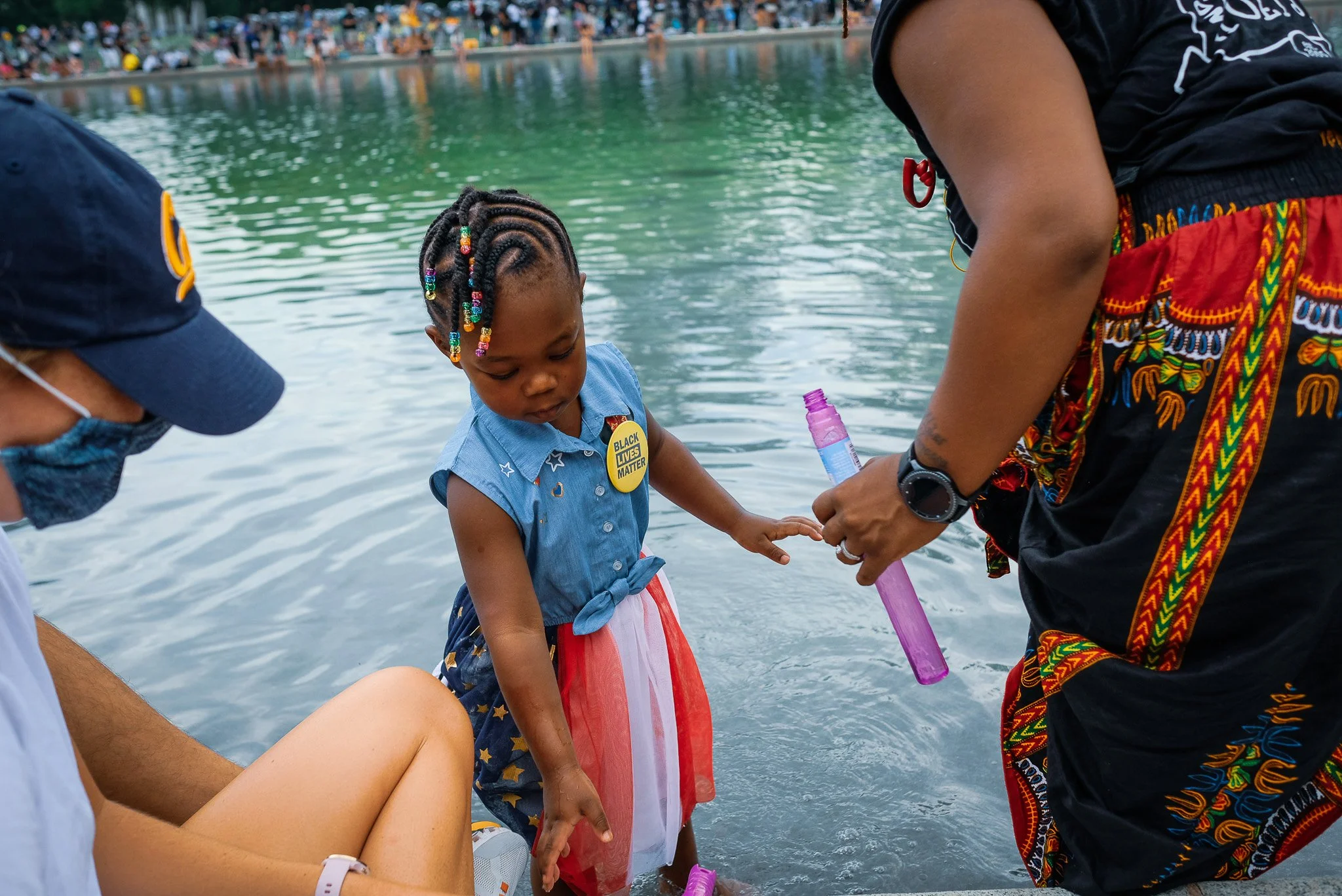
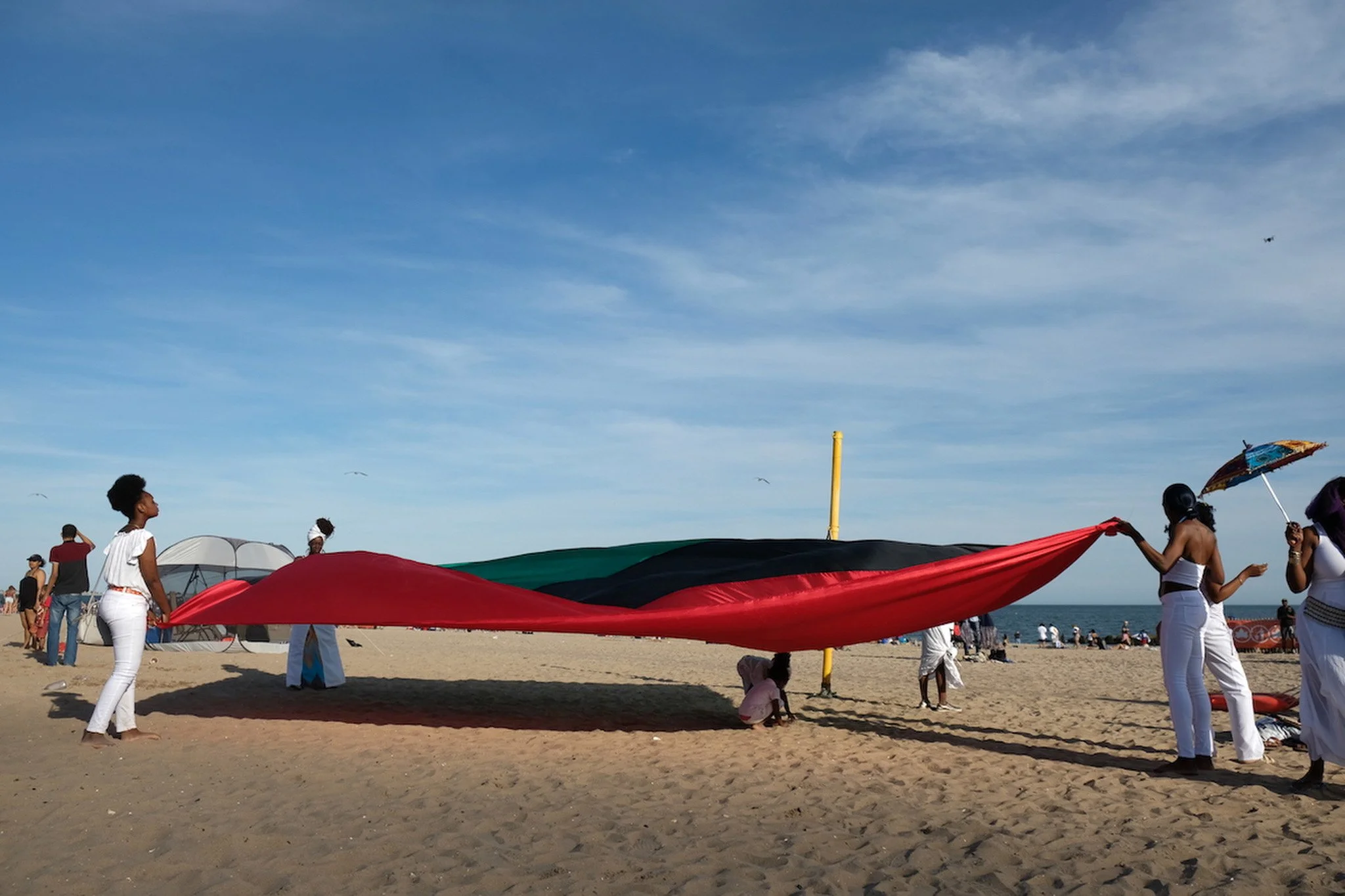

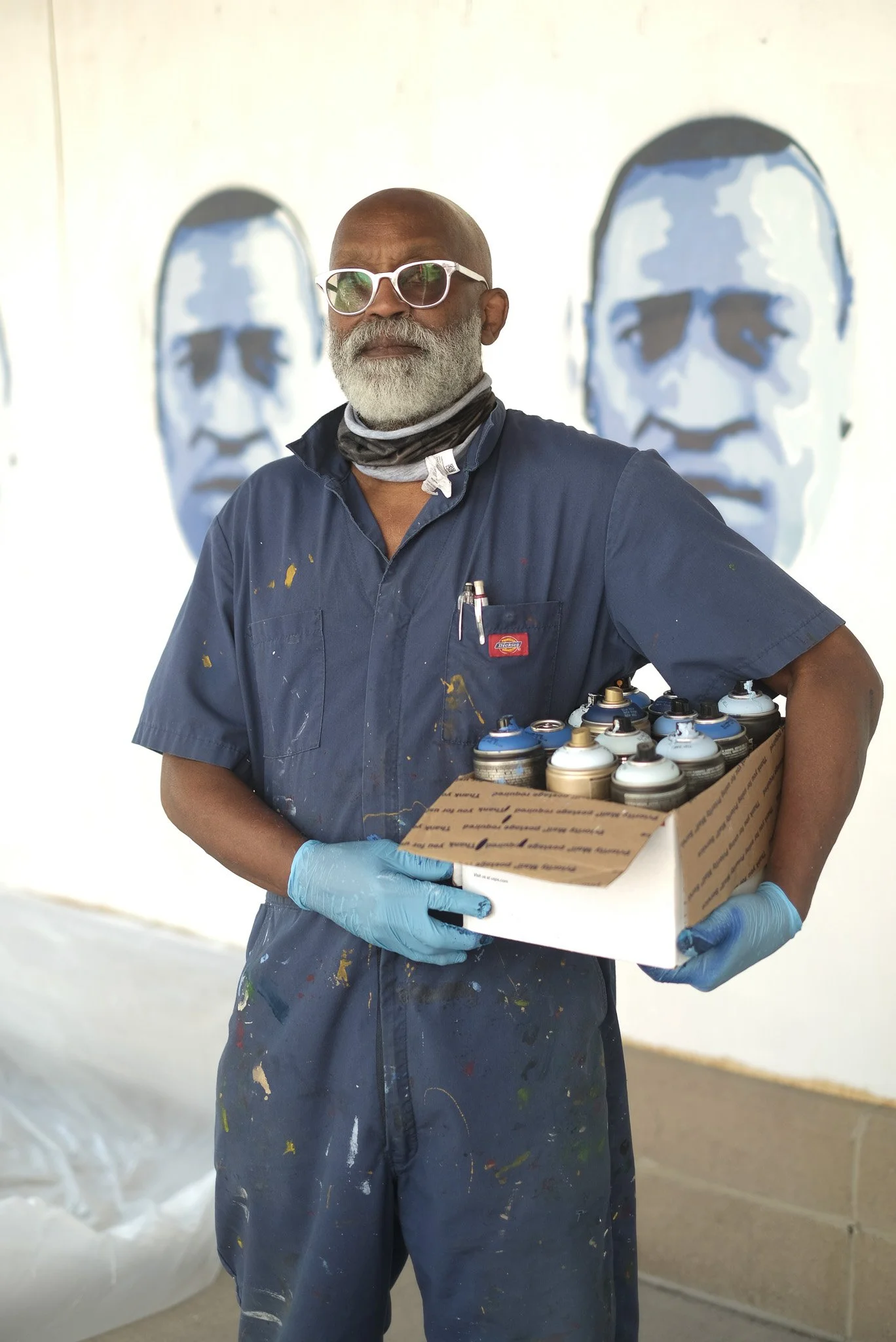
As June Jordan wrote, "we are the ones we have been waiting for." We aren't waiting for institutional saviorism. We are leaning into our traditions, pooling our resources, and creating intensely, because our history, our art, and our collective survival depend on it.
ABOUT THE AUTHOR
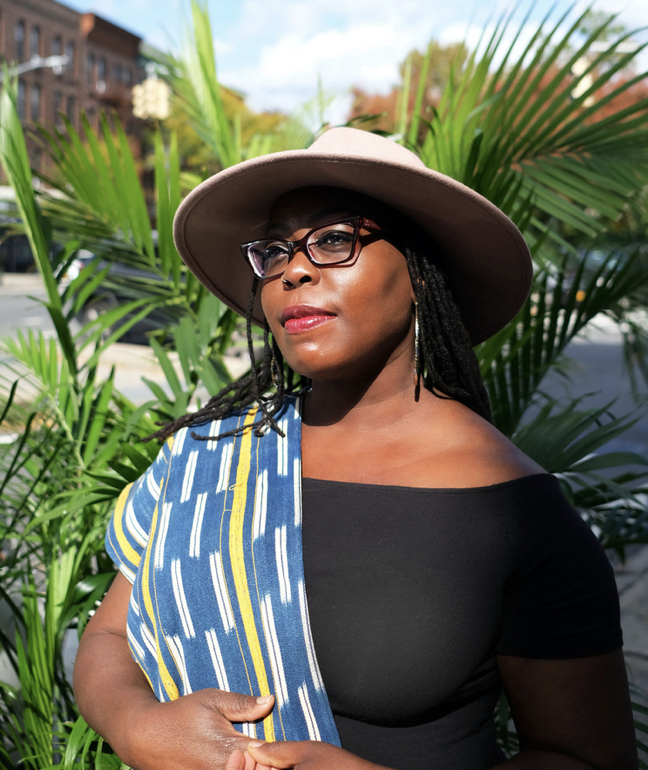
Laylah Amatullah Barrayn is an award-winning documentary and portrait photographer, writer, and curator in New York City. She is a frequent contributor to The New York Times, where her photography work on a 2019 story was nominated for a News & Documentary Emmy. She has also been published in Vogue, National Geographic, The Washington Post, VOX, NPR, BBC, The Nation, Le Monde, and The Wall Street Journal, among other publications.
Her recently published monograph, We Are Present: 2020 in Portraits, was produced with the support of Magnum Foundation. She is co-author of the independently published MFON: Women Photographers of the African Diaspora, the first anthology in nearly 30 years that highlights photography produced by women of African descent.
As curator, organizer, and producer with 20+ years of experience, Barrayn has collaborated with museums and cultural institutions to develop curatorial concepts, and she brings exhibitions to life through powerful storytelling using photography and ephemera of private and public archives and collections. Barrayn was invited to curate exhibitions at the US Department of State through their Art in Embassies (AIE) program, the African American Museum in Philadelphia, The Brooklyn Historical Society, and Bamako Encounters - African Biennale of Photography.
Her expertise in narratives of the African diaspora, specifically around tradition, social justice, and the experiences of womanhood, has allowed her to create compelling exhibitions exploring diverse themes and narratives. She is skilled in researching and selecting objects, designing exhibition layouts, and creating educational materials to engage, activate and inform visitors.
Barrayn’s personal and professional projects have taken her from Minneapolis to Senegal to Martinique, among other global locales where she focuses her inquiries on Black diasporic communities with a special interest in religious traditions and the experiences of women.