Creating Anyway: Black Art, Cultural Investment, and the Courage to Be Seen
Marcus “Murk” Hall
Hello, My name is Marcus Hall, but I go by Murk. I’m excited to celebrate Black August and contribute to this important and necessary conversation.
To me, cultural grantmaking is more than funding individual projects. It is an investment in whose stories are valued, whose creativity is supported, and who has the opportunity to shape public culture. When Black artists and organizations receive meaningful resources, they have greater freedom to tell fuller stories, challenge dominant narratives, preserve community, and imagine new possibilities.
I’m the host of my upcoming podcast, This May Hurt a Little, a space at the intersection of politics, Black culture, identity, and the conversations we often have behind closed doors. I want to talk about what is happening in this country and how it affects Black people in a way that feels honest and relatable. The podcast is also deeply personal. It is part of my journey of confronting self-deprecating thoughts, and giving myself permission to say things I’ve spent years keeping to myself. At its heart and core, This May Hurt a Little is an “Each One, Teach One" kind of space. It’s vital for people to feel seen, understood, and comfortable having conversations we don't always know how to start—or finish.
The podcast will unravel mental health stigmas, stereotypes, topics, and the coping mechanisms that aren’t public or put on display for others to learn from.
I will color in the intersection of Blackness and queerness; the parts of ourselves we sometimes feel need to be hidden, and the kid who still lives inside each and everyone of us.
These conversations are absolutely creative work, but they are also a form of cultural intervention. By creating space for Black people to speak honestly about our lives, we reclaim authority over how our communities are understood.
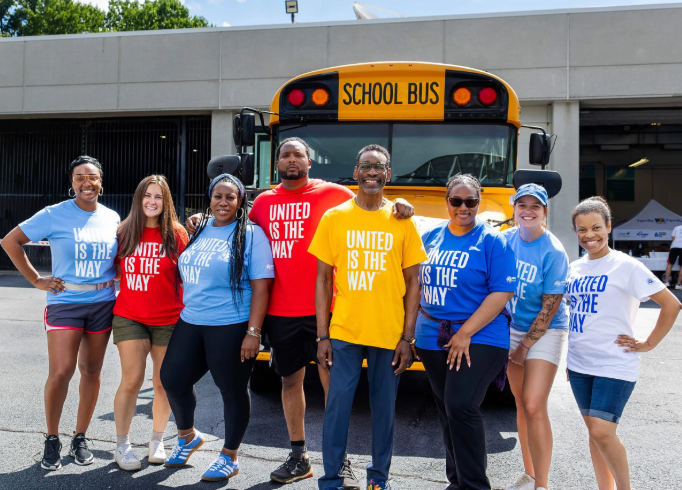
Members and volunteers of the United Way of Greater Atlanta and the Joseph B. Whitehead Foundation.
My career has reflected that same commitment to uplifting and amplifying Black communities and other marginalized communities. It started with an internship at United Way of Greater Atlanta. What began as a six-month internship, became a four-year journey working across their income and homelessness departments. During my internship, I developed and presented a proposal to the Board of Directors focused on their four sectors: health, homelessness, education, and income. I later managed Individual Development Accounts; matching savings programs that helped people pursue post-secondary education, become first time entrepreneurs, and become first-time homebuyers.
One experience that has stayed with me involved an apartment community on the south side of Atlanta. Residents shared that one of their biggest challenges was getting to their local library to search for jobs, access computers, and make copies of important documents. Tasks that seem small but in the absence of them, can really have an impact on communities down the line. After a series of community meetings, I proposed creating a community internet cafe inside a vacant apartment unit. United Way provided the computers, desks, office supplies, and other resources so residents could access technology within their own community. That experience taught me that meaningful impact begins with listening and allowing communities to help define the solutions.
Later, while working at a workforce development nonprofit, I partnered with another organization to recruit and onboard individuals with felony convictions into soft-skills and construction training programs — where participants earned certifications that opened pathways to meaningful and sustainable employment opportunities. Many graduates went on to contribute to major projects throughout Metro Atlanta, including the Mercedes Benz Stadium. These are just a handful of experiences that have shown me how public investment can create real opportunities, which is why I view cultural grantmaking similarly, as an investment in people, ideas, communities, and possibilities that may not otherwise have the resources to exist. I’ve also witnessed the power of art and what happens when artists receive meaningful support from organizations centered around Black Art. I experienced both the gift and heaviness of art from an early age. I drew, painted, and even recorded videos of my creations. It was clear that there was something in me that I wanted to bring to life, but unfortunately, I didn't nurture that part of myself in the way I wish I had. I entered local art contests at school but I never encountered the resources, mentorship, or initiatives that could have helped me develop and thrive as an artist. Cultural grantmaking matters to me not only on a professional level but a personal level, too. Imagining is one step, but what if we continue to close the gap between wonder and tangible change simply by answering the call to the disparities, dreams, and desires of Black folks in communities where voices are quieted? We need intentional investment in artists creating from real Black experiences. Our stories, perspectives, struggles, joy, sexuality, and imagination are art in themselves.
What does it look like to create dangerously as a Black artist or creative in this political climate?
For me, creating dangerously means refusing to make my work smaller, safer, or more comfortable simply because of the political climate. It means telling the truth even when it makes people uncomfortable and creating work that reflects the complexity of Black life without asking permission. But danger should not mean sacrificing ourselves. We need communities and funding structures that allow Black artists to take creative risks without risking their livelihood or future.
As a Black millennial man who has lived through a lot, I understand the responsibility that comes with art and the impact it can have on parts of yourself you’re still learning how to understand, accept, and express.
That is why I’m determined to create anyway. Even when it’s uncomfortable. Even when it's vulnerable. Even when it hurts a little. Because sometimes the work that hurts the most is the work that reminds us that we’re still here.
“That is why I’m determined to create anyway. Even when it’s uncomfortable. Even when it’s vulnerable. Even when it hurts a little. Because sometimes the work that hurts the most is the work that reminds us that we’re still here. ”
ABOUT THE AUTHOR
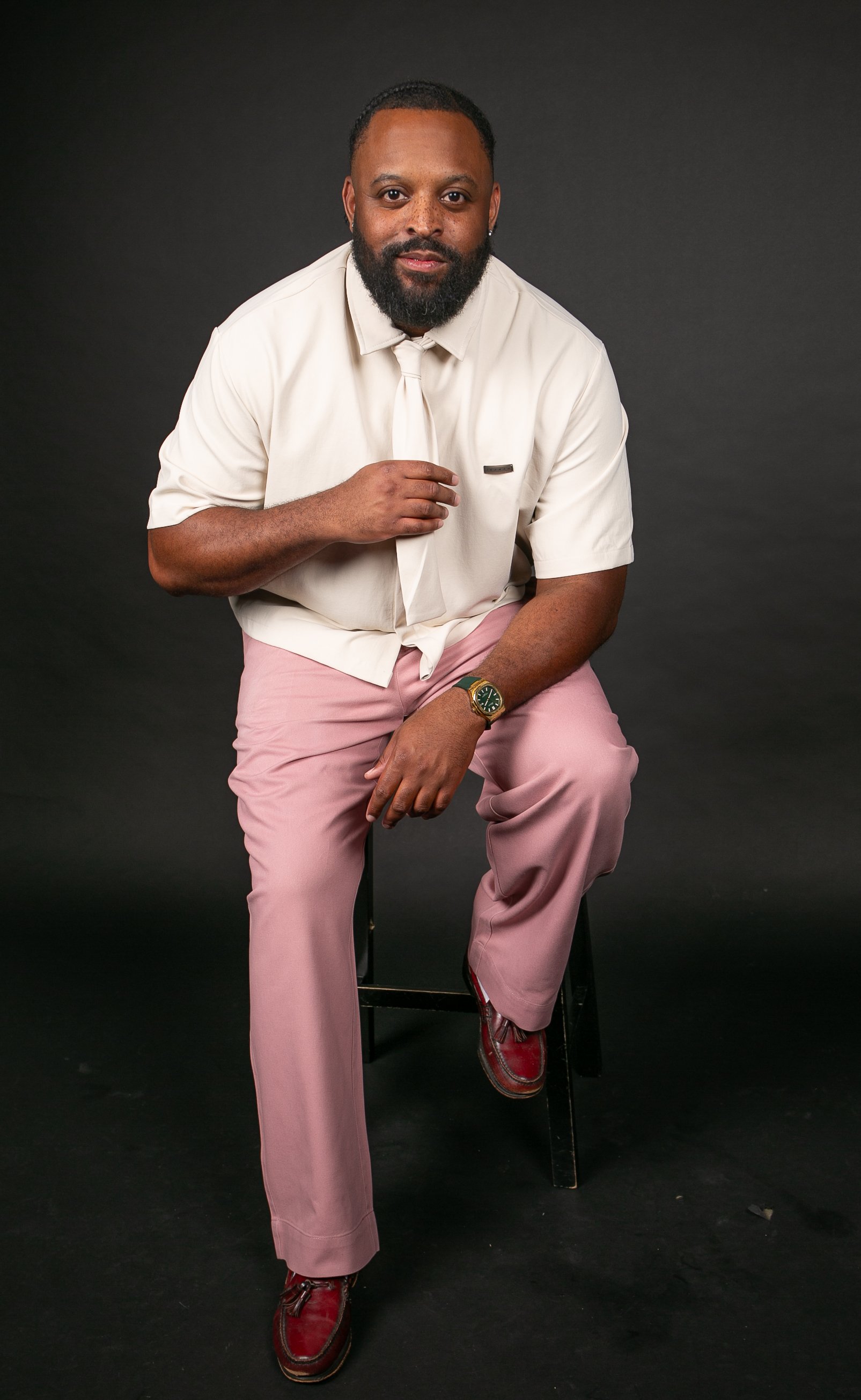
Marcus “Murk” Hall is a public servant, creative, and podcast host committed to creating greater access to opportunity through public service, culture, and community engagement. His professional experience spans, government, workforce development, and community focused initiatives, where he has worked to connect people and communities with resources that support meaningful pathways to opportunity.
Outside of his professional work, Marcus is the creator and host of the upcoming podcast, This May Hurt a Little, a candid and thought provoking platform exploring politics, black culture, identity, and the experiences that shape who we become. Through honest conversations and personal storytelling, the podcast creates space for vulnerability, reflection, humor, and the topics we don’t always feel comfortable discussing.