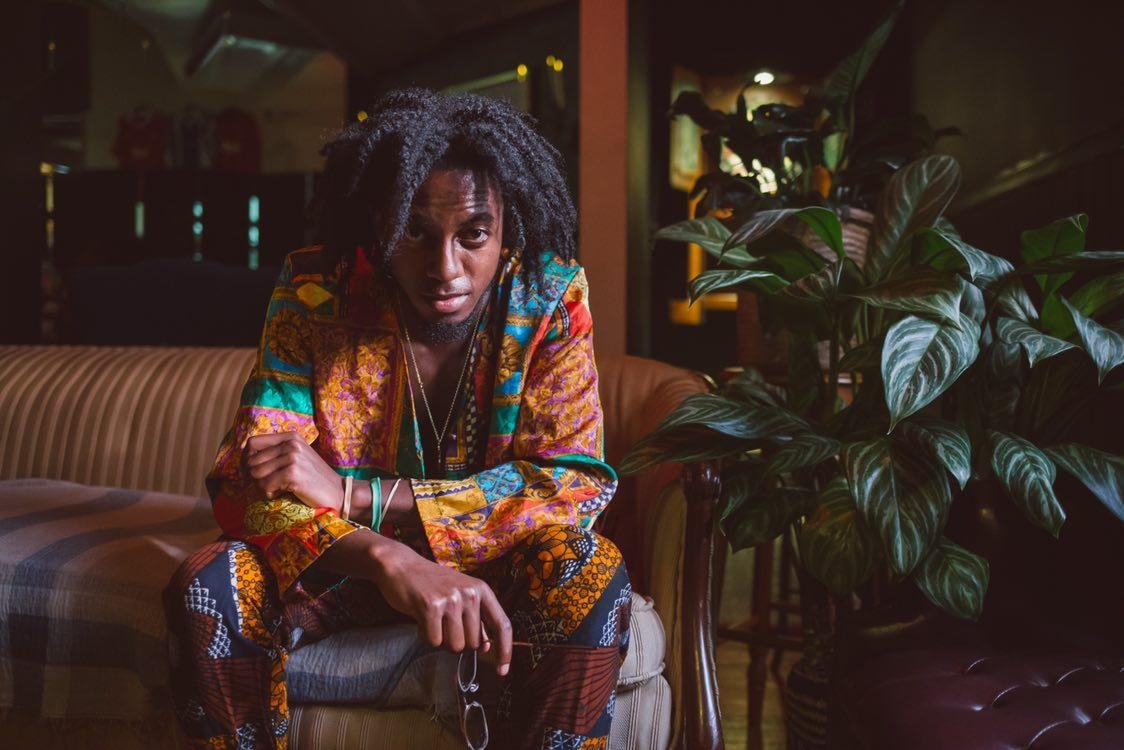
Jahman Hill
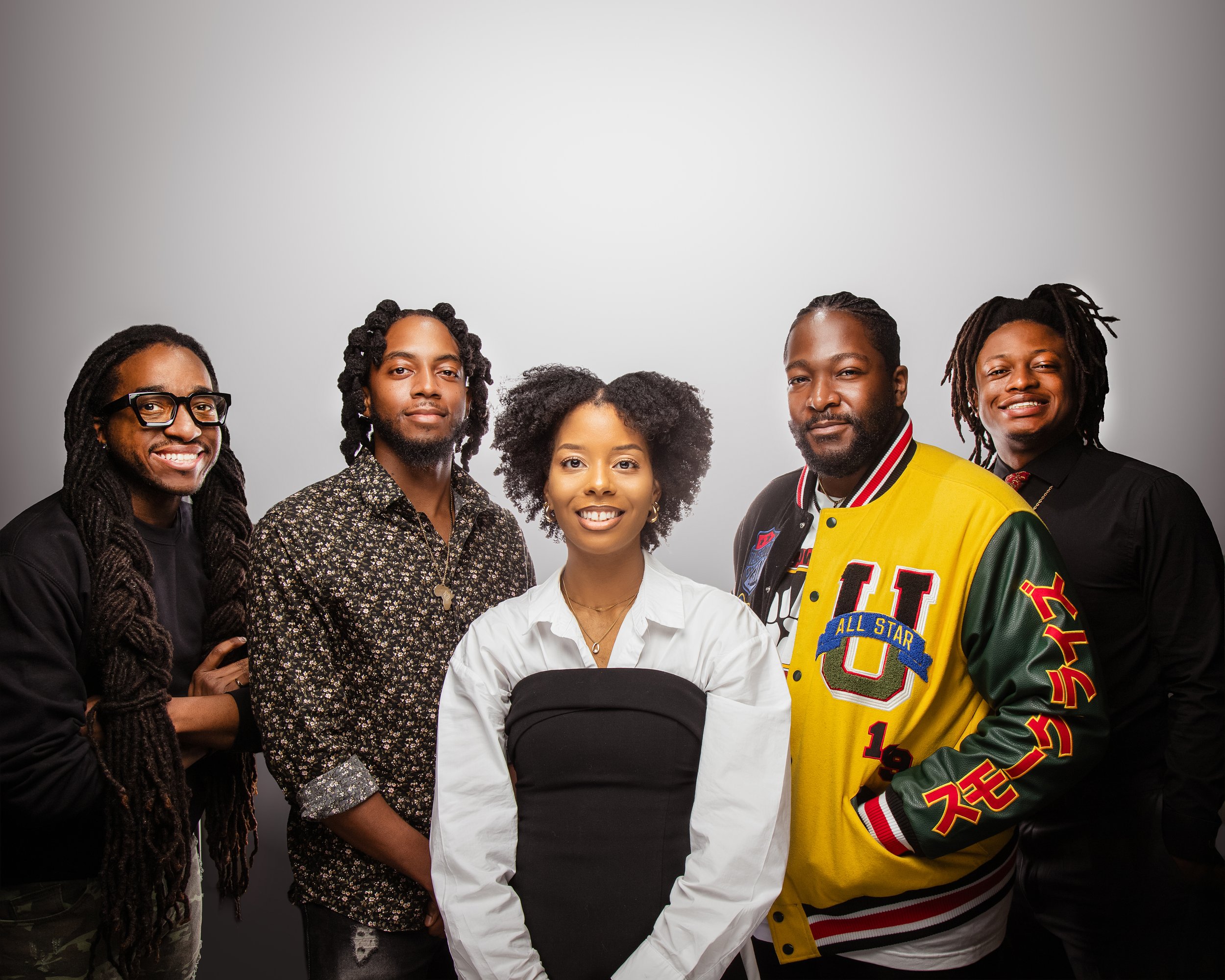
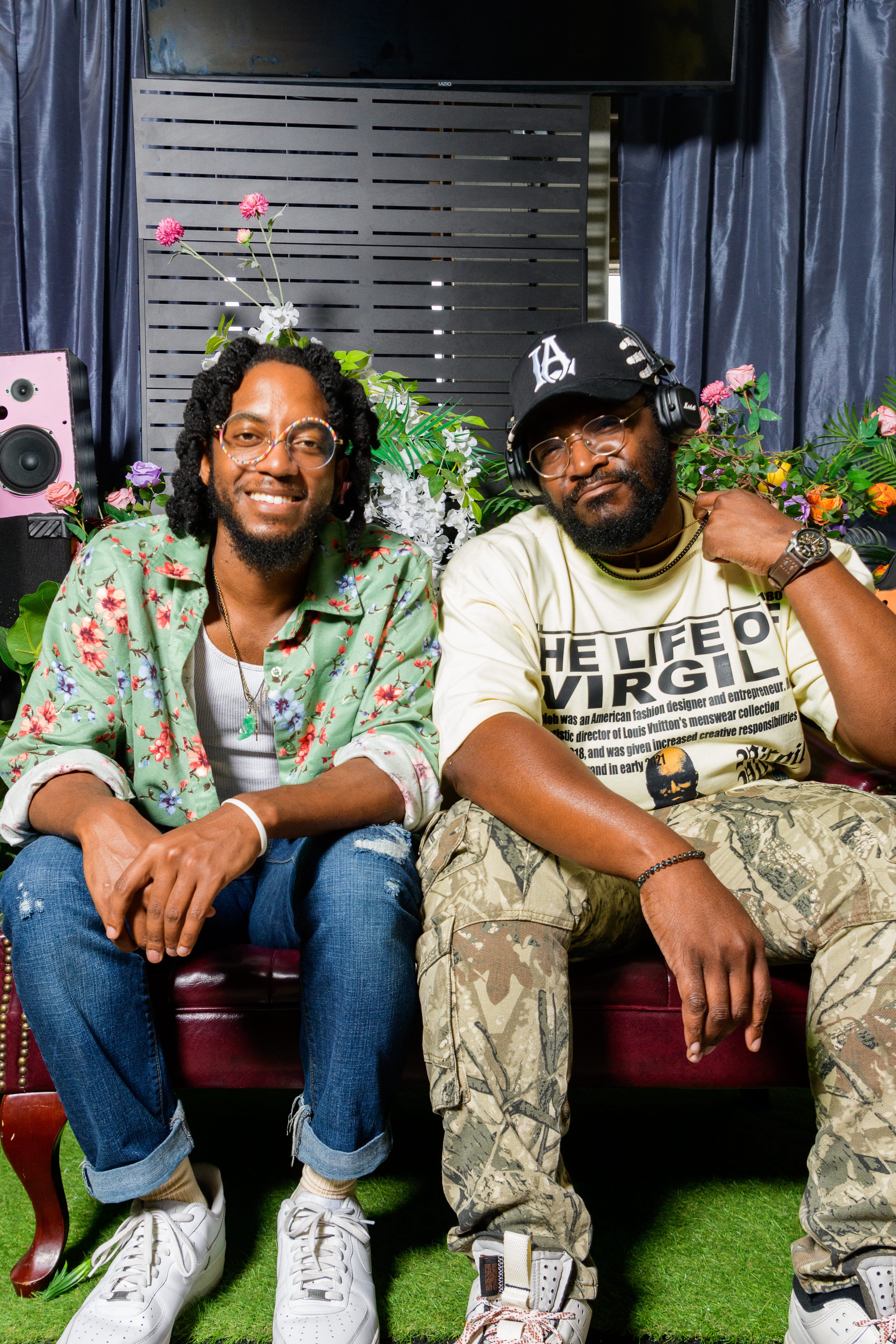
The Flourish Alabama team, 2026.
There are a lot of things people hear when we say “nonprofit”. A lot of assumptions. Assume that we don’t need money. Assume that we operate off of volunteer labor. Assume that this is a passion project. Assume that pursuing “passions” means you’ll accept less pay. When people seek art, or artists, a lot of similar assumptions happen. “Can you come perform at X? Oh, I didn’t know it would cost.” “Can’t you just whip something up real quick for this thing?” “Oh, we didn’t budget for that.” “We had to cut funding from somewhere.” Now combine those two terms, and the financial lack associated with both: arts nonprofit. If we bein forreal, add Black. Society associates Black with “lack”. How quickly the connotation goes from “asking for a donation” to “looking for a handout”. Yeah, this is the first paragraph.
My name is Jahman Hill, and I am the cofounder and executive director of the Flourish Alabama, an arts nonprofit in Birmingham, AL, that builds cultural infrastructure. Basically, we saw the way that our city interacts with artists and the arts community, and we felt we could do better. The adage went, “If you’re an artist in Birmingham and you want to really be supported, you move to Atlanta.” I’m not from Birmingham, I’m from Larned, KS. I didn’t understand why this adage existed. I didn’t have to be in Birmingham to f around and find out, though. There’s a history we have to take into consideration to really understand this.
Black people historically have been a make-a-way-out-of-no-way people. Especially here in America. Chitlins (which shouldn’t exist) would not grace thanksgiving tables if not for the pure ingenuity and creativity of Black people. The dozens, jazz, free breakfast programs, all feats of Black people pooling together resources and making a way, something beautiful, out of no way. We have historically been the most dynamic entertainers for this country. Churches were institutions that fed and clothed folks, provided spaces for artists to cultivate themselves, and helped struggling members pay bills. So many sacrifices have been made for Black folks to put themselves in position to reap the rewards of their labor. At the same time: America ain’t really changed. Black folks today still battle income inequality, lack of access to financial, educational, and health resources, over-policing, and a myriad of other issues that consistently deplete our ability to adequately fund our endeavors. And doing something as inexpensively as possible is often the best route. Unfortunately, our artists experience this firsthand.
The nonprofit industry is a white woman’s sport. Rich white women could give back to communities that were less fortunate, and rich husbands could donate to these causes and write the donations off on their taxes. In this way, the perpetuation of an in-need underclass became a profitable endeavor. I remember hearing in a nonprofit education class that the goal of a nonprofit is to work itself out of a job…so why do we celebrate nonprofits that have been around for decades? I know, some problems take decades to solve. Some don’t. But building something our community wants to keep is different from keeping a problem around so an organization can keep getting funded.
“The longer I’ve been in nonprofit, the more I’ve realized that battling impossible battles seems to be something that sounds fun, especially when you’re not the person most impacted by the battle. As a Black artist who cofounded and runs a nonprofit that seeks to empower Black artists and build infrastructure within Black communities, I really don’t want my entire life to be an uphill battle. Because at the end of the day, I don’t just clock out and go to a different reality. I tell folks all the time, this nonprofit is comprised of the community we serve. So we move with a different urgency, from a different space. But the structures in place are not meant for us. What does this mean?”
It means as a nonprofit, one of the hardest things to fund is administrative support. People want to fund programs. It’s not that institutions want the admins of nonprofits to fail, but there is an expectation that the nonprofit generates that support on its own through donations or through volunteer work. This isn’t a problem when a nonprofit has a robust donor base to work with, or is able to generate revenue through other projects and services. When you’re comprised of the community you serve, that ish work different. These aren’t volunteer hours. These are artists being paid to manage space, coordinate workshops, collaborate with local organizations to facilitate events. Artists in need of work doing work they find fulfilling. Our donor base categorically has less income. The idea of programs need the money not admin, makes sense when dealing with white saviors. The idea that programs need the money, not admin, assumes somebody can afford to do that work for free. It does not make sense when the admin are a part of the program.
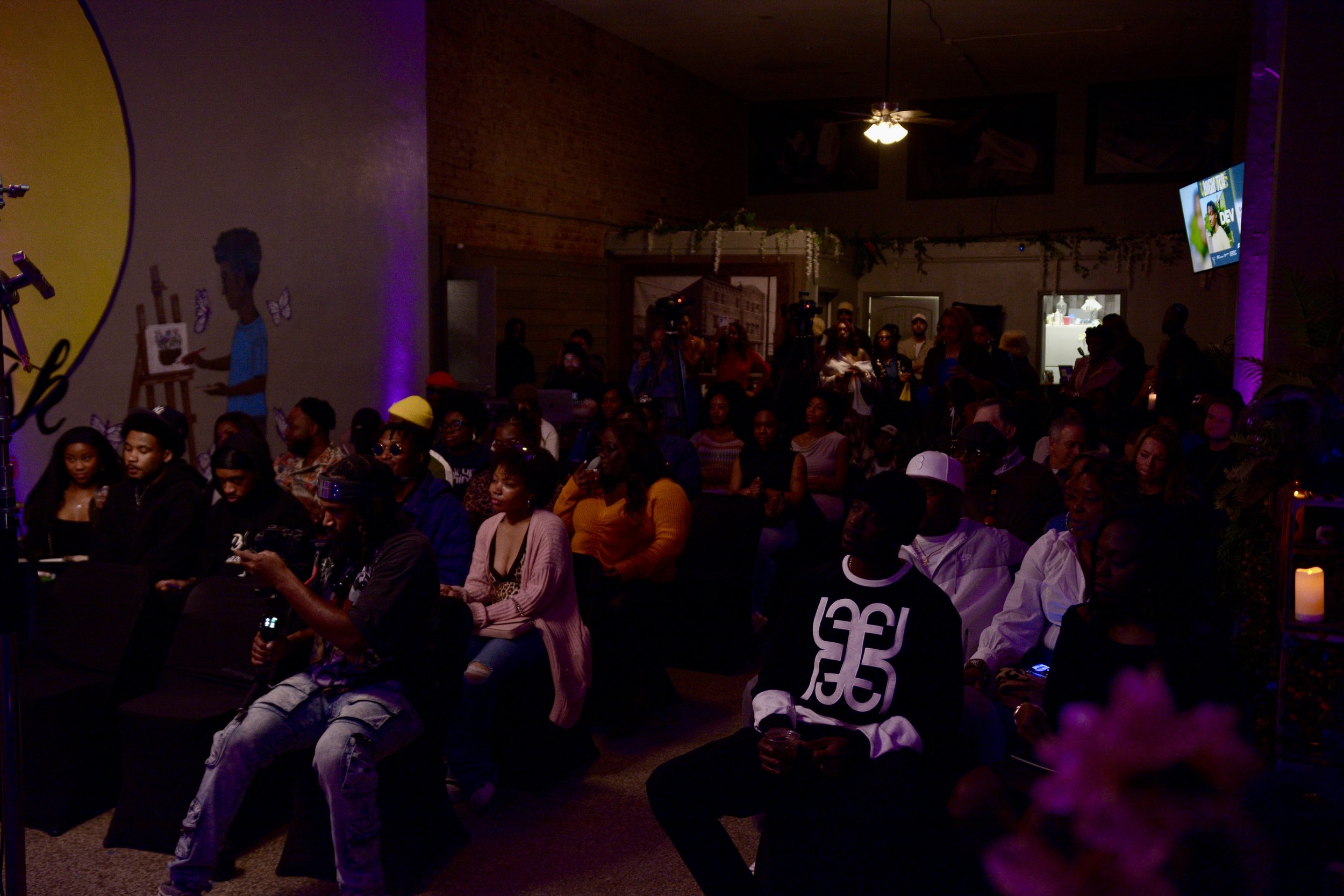
It means that a lot of nonprofits fold within the first five years because the stigma surrounding nonprofits is we’re not trying to make a profit, and that gets conflated with we aren’t gonna charge anything. This stigma exists across the board, yes, but for arts nonprofits, you’re adding in the lack of capital to begin with. I don’t have the existing donor base, I don’t have the current income to supplement me while I get this nonprofit off the ground, and the grants I’m finding require that my organization has been in existence for two years or more to receive major funding. For a lot of arts nonprofits, we are spending the first couple of years navigating and learning this landscape, battling stigmas surrounding both the arts and nonprofits, and trying to generate enough revenue to keep a dream alive to solve a problem within our community, and that can be exhausting.
It means that even asking for donations can be the reason you don’t receive them. We exist in a country that has done a wonderful job of exploiting Black folks for labor and then making a mockery when those same people ask for assistance. Well before Reagan’s welfare queen bs, Black folks have been called lazy, stupid, illiterate, financially irresponsible, and these labels need no base to run wild. We have been taught from an early age to make sure we put our best foot forward, especially in front of them white folks, so they know we’re not lazy. So they know we’re not broke. So they know we’re not dumb or stupid. At the same time, we know that in nonprofit, this image of Black folk reigns supreme. “For just one dollar a day, you too can save a Jamal” type marketing. Pull at those heartstrings. So what happens when a “Jamal” (I’m talking about me here, tooooo many people have mispronounced my name) finds his way into a nonprofit space where he has been conditioned not to ask for help (so as not to feed into the narrative) and knows that how he asks for help (just give them a Jamal) can lead to more money? I’ve seen Black arts nonprofits, and Black nonprofits in general, struggle with the balancing act, all while working to create the most stellar 5-year financial projections to prove we’re not broke, we’re just on the brink of a breakthrough. A Black artist in need trying to legitimize that their organization can serve other Black artists in need, and because a relationship hasn’t been built over time, fighting for a $5,000 grant while an institution that has been around for years receives $100,000 because they know the right people. And I don’t say this out of bitterness. This is the reality.
The landscape for funding in the South, particularly for Black organizations, is challenging to say the least. There are organizations who are working specifically to combat this reality, and I’m always open to talk about who those organizations are and the work that they’re doing. Shoot me an email, jahman@theflourishal.com . But that work is a drop in the bucket when we look at the complete landscape of resources that exist, even in the nonprofit sector.
But what can we dooooo, Jahman?!?! I don’t even know, fam, I don’t. But I’ll give one idea I’ve been chewing on recently. I think we can start advocating for structural shifts on both local and national levels in nonprofit arts funding. It means something that nonprofits are increasingly being built by the communities they’ve so often served in the past. That means some of these community members are identifying different solutions to the problems they have been dealing with. I think following the strategies of organizations that prioritize addressing the needs of young and emerging nonprofit leaders and removing some of these traditional nonprofit barriers is important for our newer arts organizations.
I think having actual conversations about the execution or implementation of reparations is necessary. And beyond conversation, action. And not just calling your local congressman. Calling our local white neighbor. How bout we set up a community fund buddy? How can we actively work to provide resources to ensure we can support not just our artists, but our community’s ability to empower itself? How can we use actual actions to help shift our thinking, and vice versa?
I think we have to call out major funders and demand more. Not just of them, but of their networks. Your millions are helpful, but they are not enough. This country does not change unless you’re willing to address those in your class who dump millions elsewhere in ways that routinely harm this community you seek to help. In what additional ways can we work to dismantle these systems
This essay is about the arts.
ABOUT THE AUTHOR
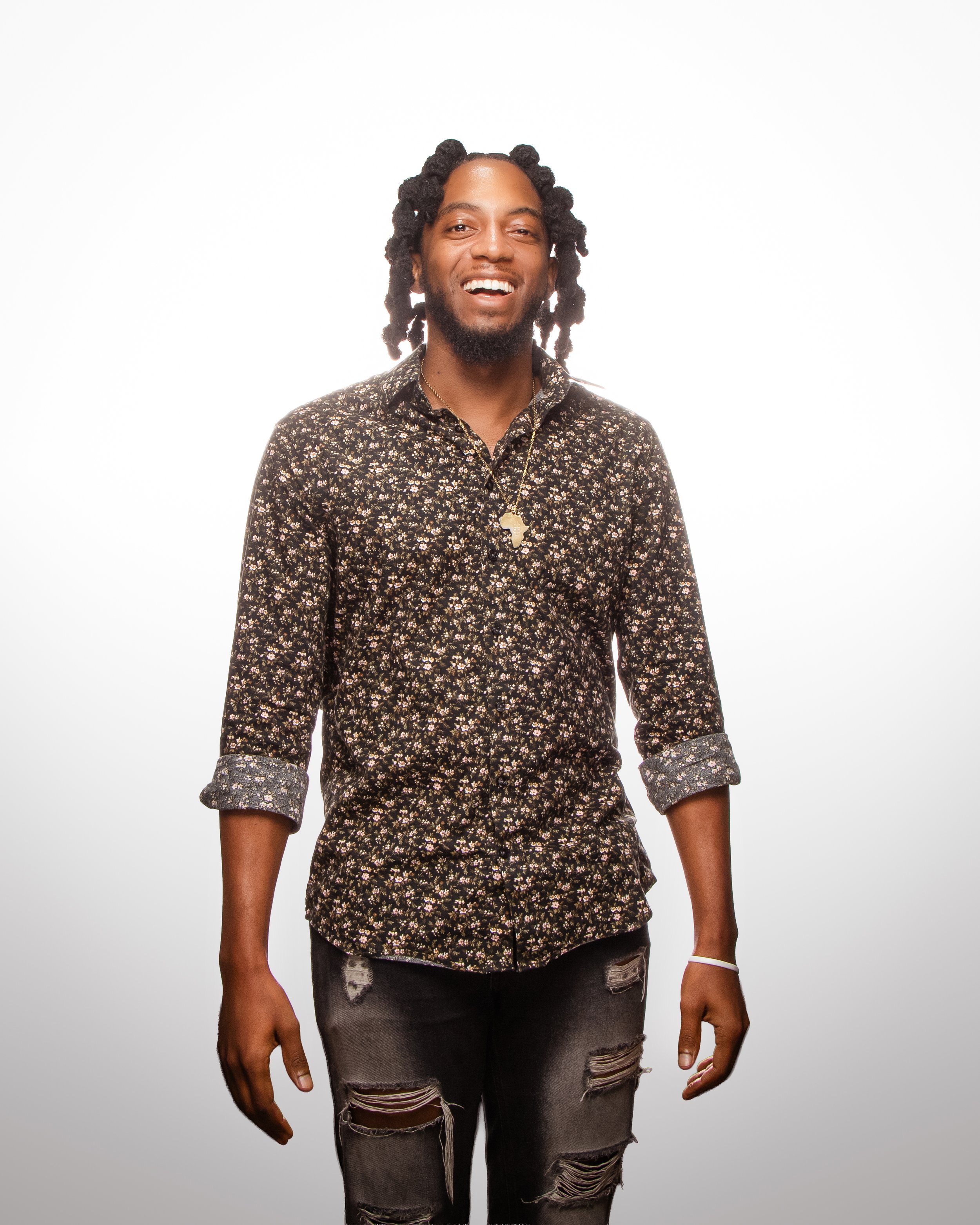
Jahman Hill is an award winning poet, playwright, professor, filmmaker and executive director of The Flourish Alabama. In 2018, Jahman claimed the title of 3rd-best slam poet in the world. In 2019 he debuted his award-winning one-man show, Black Enough, off-Broadway. In 2021, Hill was awarded the Alabama State Council on the Arts Literary Arts Fellowship in poetry, and debuted his first short film, the award-winning Vanderwaal’s Journey. Hill is the 2023 Soul of the South Award Winner in Writing & Storytelling and a 2024 Southern Artists for Social Change cohort member. His poetry videos have garnered millions of views online. Jahman is a professor at the University of Alabama where he received Master’s degrees in Communication Studies, Women’s Studies and the 2018 Marsha Houston Award for Outstanding Student Work in Social Justice and Diversity. The core of Jahman's creative work centers around “The Flourish”, or the idea that Black people are infinitely possible beings.
The Flourish Alabama is a nonprofit organization dedicated to planting the seeds to help artists Bloom. Founded in April of 2019 by Jahman Hill and Eric Marable Jr., we believe Black people are infinitely possible beings, and we exist to use art as a catalyst to show BIPOC across the world that they are infinitely possible. To achieve our vision, we create and facilitate “multi-medium” programming, artistic economic development, and creative placemaking. The goal? Intentionally using art to break down educational barriers, challenge systemic oppression, rewrite the narratives of the unheard and underserved, and provide economic equity. Over the past seven years, the Flourish has invested over 1.5 million dollars directly into the creative arts economy, hosted over 1,000 workshops, created hundreds of paid performance opportunities for artists throughout the South, and started developing a Black Arts District in Birmingham. To learn more, visit theflourishal.com.