“All Roads Lead to Utica”: Reflections from GIA’s Day of Learning with Sipp Culture
Ericka Jones-Craven
In December 2025, GIA’s board gathered in Utica, Mississippi, for a powerful Day of Learning rooted in land, food, memory, and cultural courage. Hosted by Sipp Culture, the experience invited us into a living ecosystem of artists, farmers, organizers, and civic leaders who are transforming generations of disinvestment into community-led infrastructure and possibility.
Across farms, community centers, historic buildings, and creative spaces, we witnessed how cultural work in the rural South is not supplemental—it is foundational. Again and again, we were reminded that sovereignty is not an abstract ideal. It is practiced daily through food systems, archives, mentorship, land stewardship, and the protection of imagination.
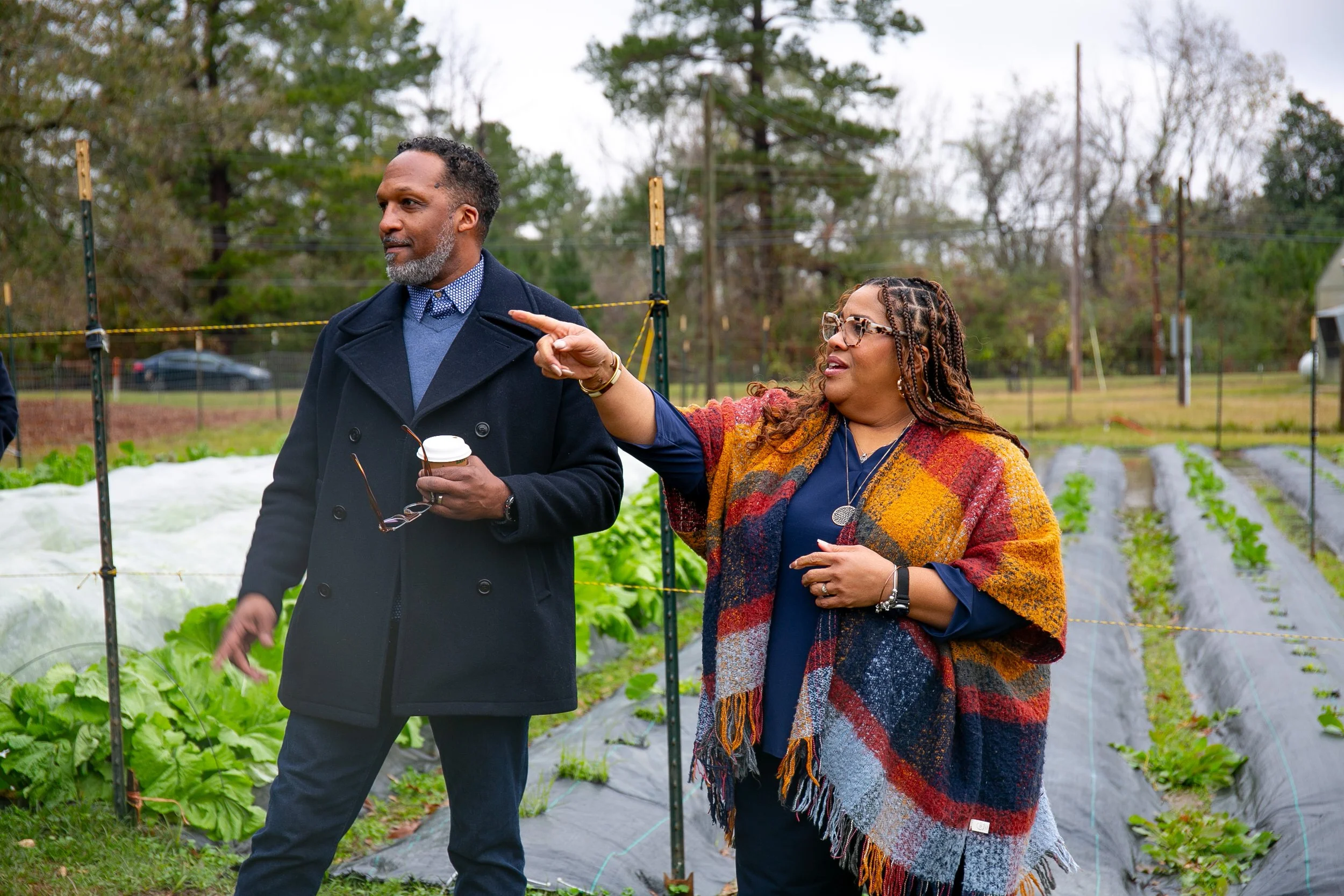
Carlton Turner, Co-Director + Lead Artist of Sipp Culture and GIA Board Member and Brandi Turner, Co-Director of Sipp Culture pictured explaining the history of the community farm.
Day of Learning: From Seed to System
Food, Land, and the Long Arc of Education
Our day began at Sipp Culture’s 17-acre community farm, established in 2020–21 in response to a devastating loss: the closure of Utica’s last grocery store in 2013. What might have remained a symbol of abandonment has instead become a site of regeneration.
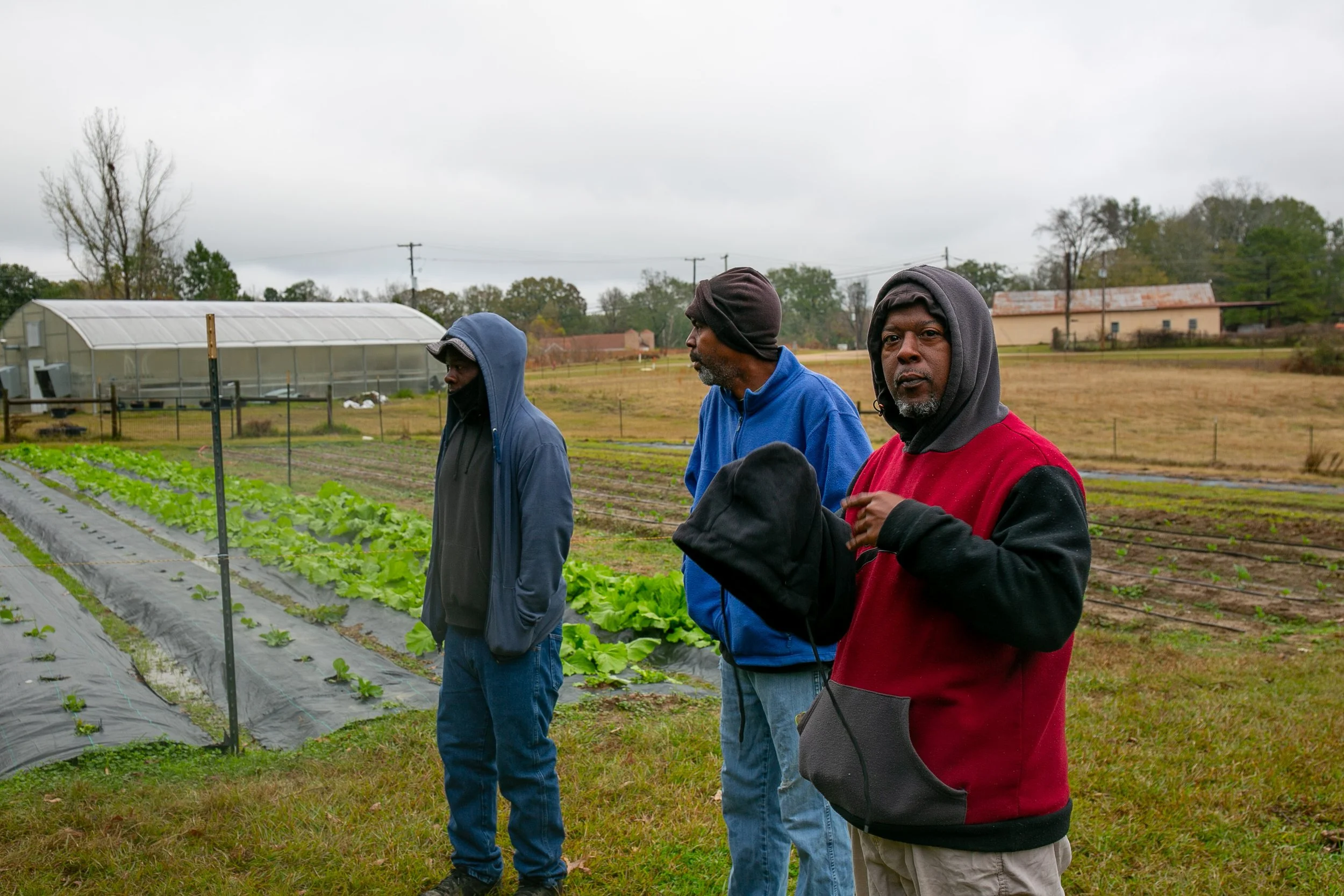
Workers and community leaders at Sipp Culture’s Community Farm.
The land itself carries deep historical weight. As 16th section land, it was designated during Reconstruction for educational use in perpetuity. Today, Sipp Culture holds a 10-year educational lease, transforming this policy legacy into living practice.
We learned how the farm operates as both sustenance and infrastructure:
Raised-bed sustainable growing systems
An 18,000-square-foot greenhouse supporting a Southern Black Women’s Farming Program
Four tons of produce are grown annually across a 10-month growing season
Seedlings shared with Black-owned farms
Weekly farmers market distribution
Fresh food delivered to elders
Produce sold to commercial kitchens
With many residents commuting to Jackson for work, the farm also represents an effort to relocalize labor, nourishment, and economic circulation. Food sovereignty here is not symbolic—it is systemic.
Protection, Ancestry, and Artist Infrastructure
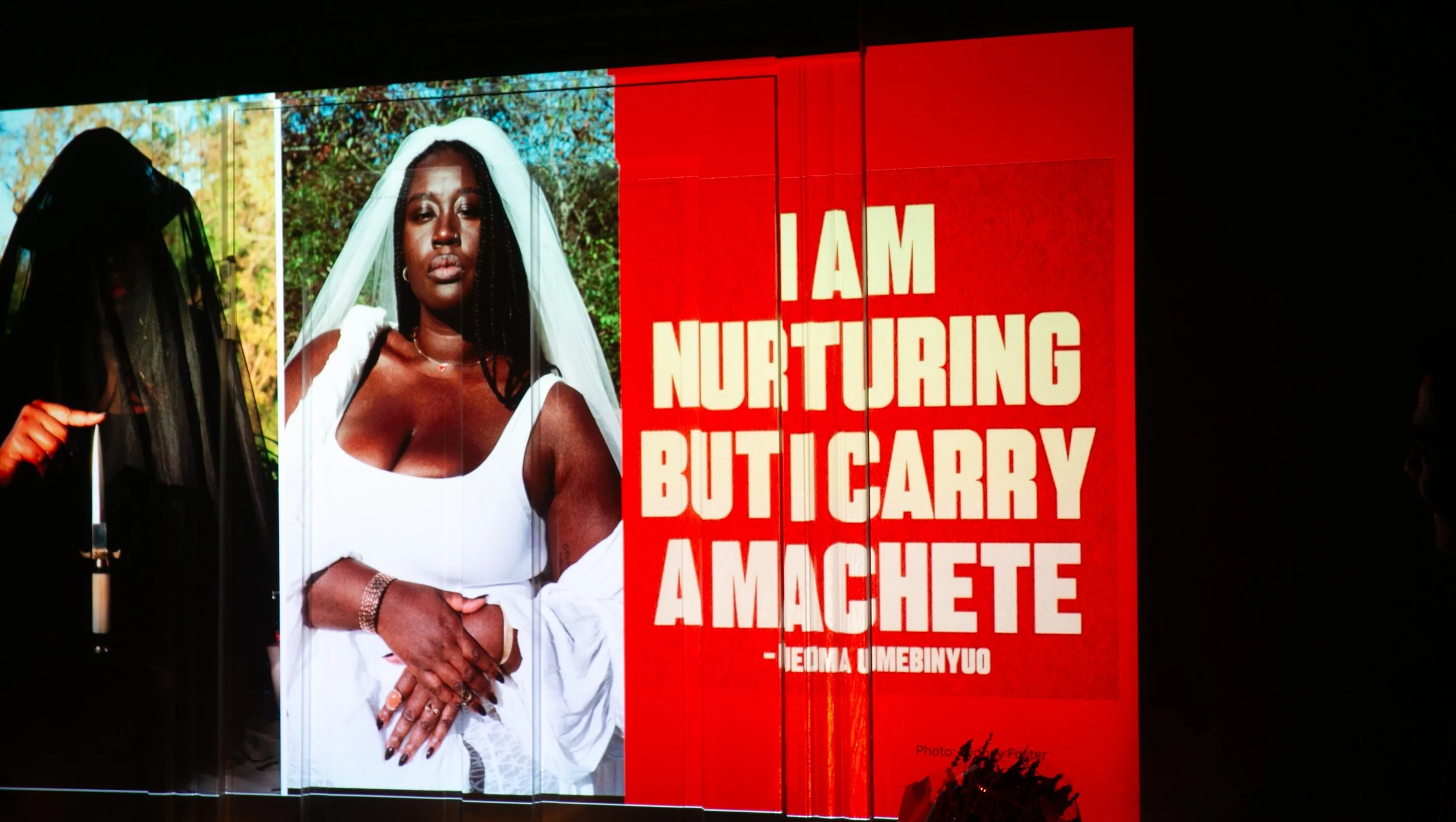
A photo of Nana Yaa Kumi’s immersive photography installation, I am Nurturing but I Carry a Machete.
From the farm, we moved to Sipp Culture’s Community Center and Office, a per-war home purchased for $37,500 and transformed into a regional creative hub. It is now home to the Rural Performance Production Lab (RPPL), supporting artists across Mississippi, Arkansas, Louisiana, Tennessee, and Alabama.
Inside, we encountered an installation by RPPL artist Nana Yaa Kumi—an altar that held us in stillness. Her work spoke to vulnerability, ancestral protection, and the spiritual labor required to build futures while carrying history.
One truth landed deeply: this work makes us vulnerable—and we need our ancestors to protect us as we do it.
Sipp Culture’s residency ecosystem continues to grow through Up Next, Visiting, and In Residence artist pathways. The ripple effects of this artist residency demonstrates how cultural work in the South makes an impact and weaves connections far beyond regional boundaries—measuring impact not only in outcomes, but from seed to tree.
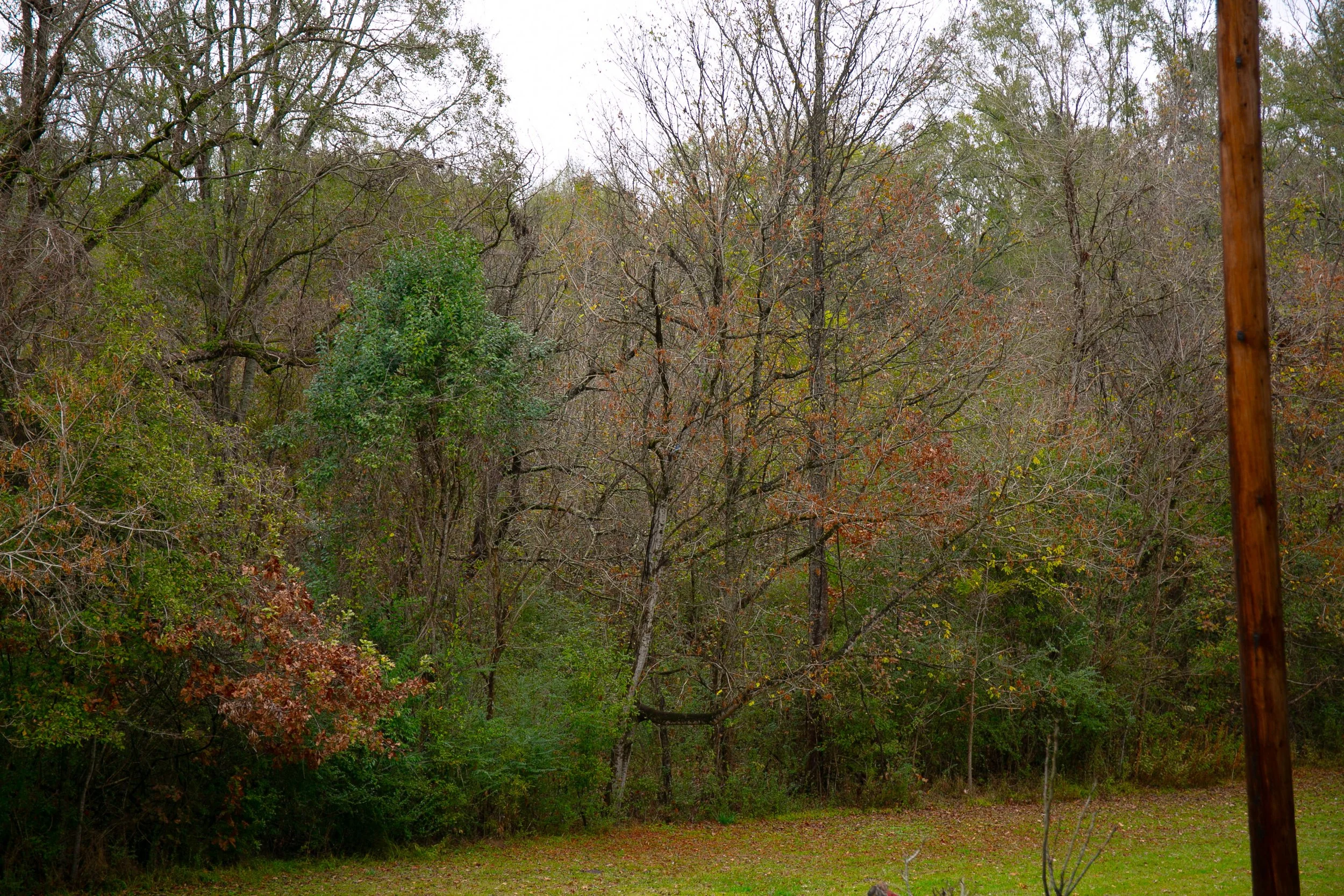
The backyard of the Sipp Culture Community Center, photographed by Ericka Jones-Craven.
Past and Future: Industry, Archive, and Possibility

GIA’s team outside of the future Sipp Culture offices on Main Street.
At the historic Woodworkers of the World (WOW) Building, soon to become Sipp Culture’s future offices, we stood inside a space that once thrived with commerce—home to a dentist office, dance studio, and community life along the first paved road in the state. Today, the building carries both promise and constraint, including access to broadband internet (only available along Main Street), proximity to the Main Street Cultural Center, and an infrastructure rooted in deep history and stories of Utica’s beginnings.
Nearby, at the Main Street Community Center, we learned how RPPL artists contribute to—and draw from—local archives, ensuring that contemporary cultural work remains in intimate dialogue with ancestral memory.
Mayor Calvin Williams joined us to reflect on Main Street revitalization, naming how small-town transformation creates ripples across Mississippi and the nation. His words reminded us that rural investment is never only rural—it reshapes regional and national narratives
Regional Echoes of Black-Led Cultural Infrastructure
We were also joined by cultural leaders whose work reverberates across the rural South.
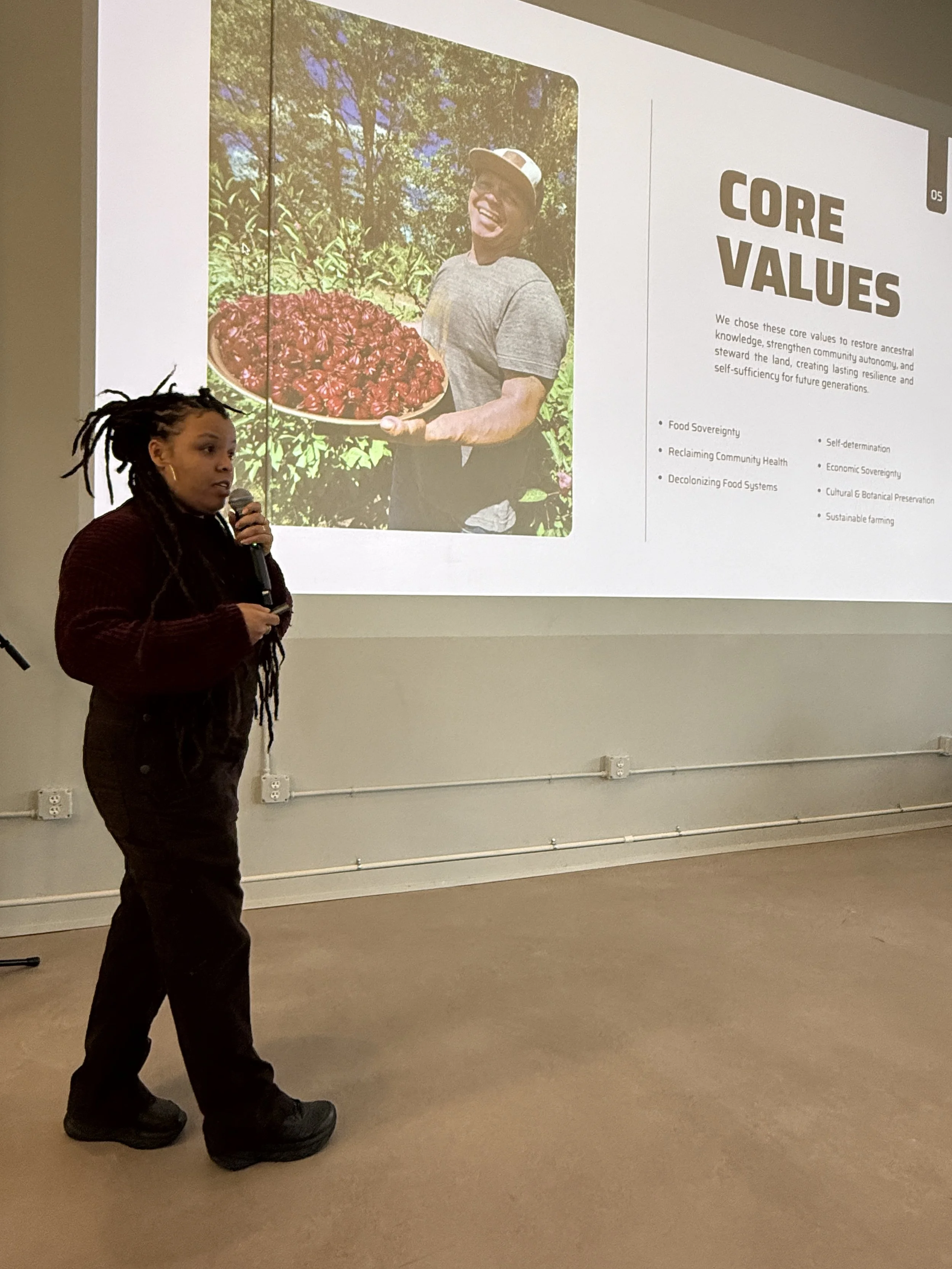
Bailey Hutcherson of TruCulture Community Farm shared how their six-acre regenerative farm in Hattiesburg, with extended work in New Orleans, weaves together native medicinal gardens, greenhouse cultivation, mushroom growing, retreat space, and a mobile community market that delivers chemical-free food directly into underserved neighborhoods. Their model links ancestral healing, food access, and economic sovereignty as inseparable practices.
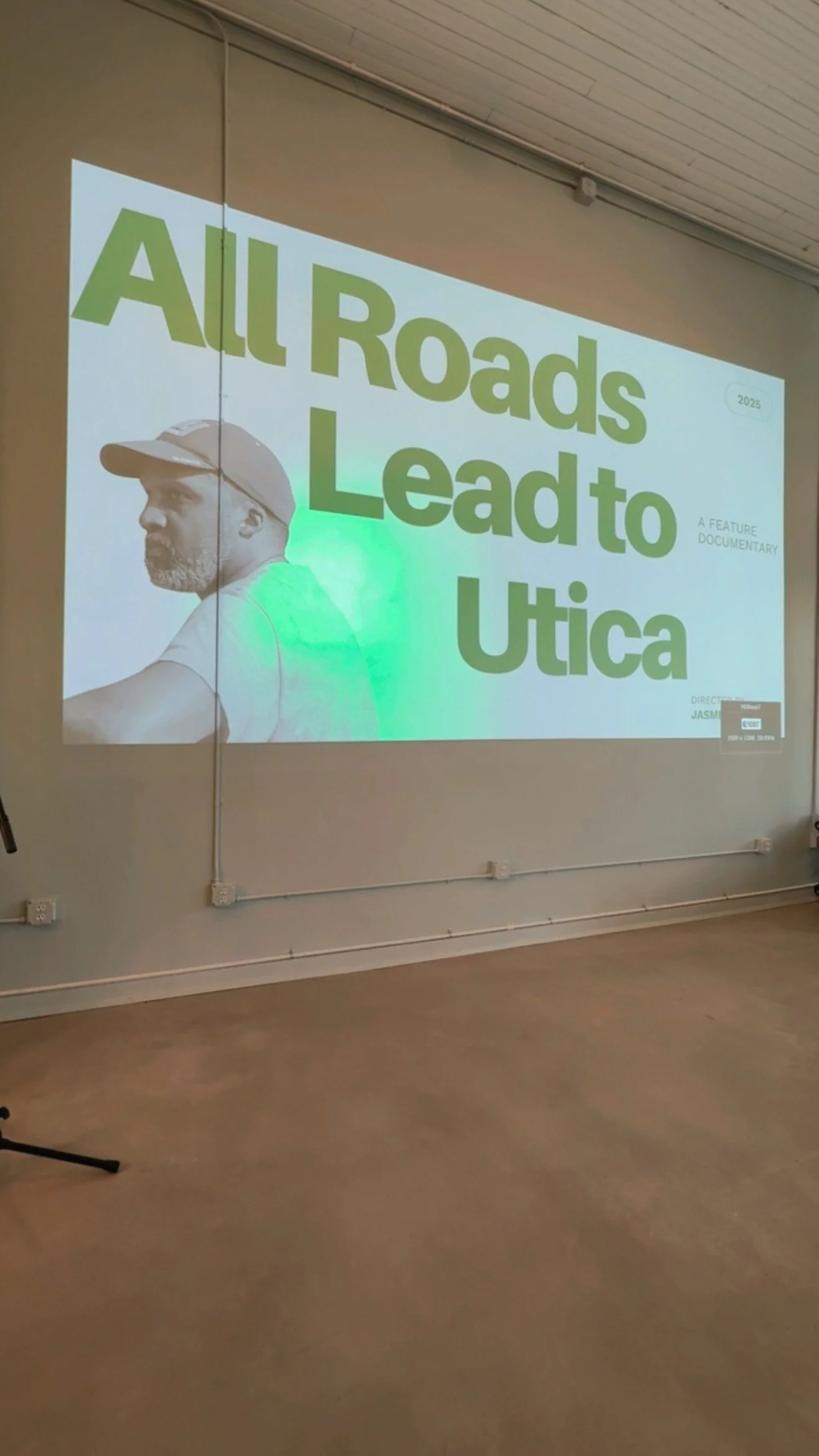
Artist Jasmine Cannon (RPPL 2022–23) grounded us in Utica’s longer history through her project All Roads Lead to Utica. She named the compounded impact of the local high school closing in 2013, followed shortly by the grocery store in 2014—loss layered upon loss. Yet, she also traced a deeper lineage: in the early 1900s, Utica was a center of Black agricultural leadership, home to the Utica Normal and Industrial Institute, modeled after Booker T. Washington’s Tuskegee Institute. Agriculture once served as a backbone of Black economic self-determination here. Today, that legacy is being consciously reclaimed—not as memory alone, but as strategy.
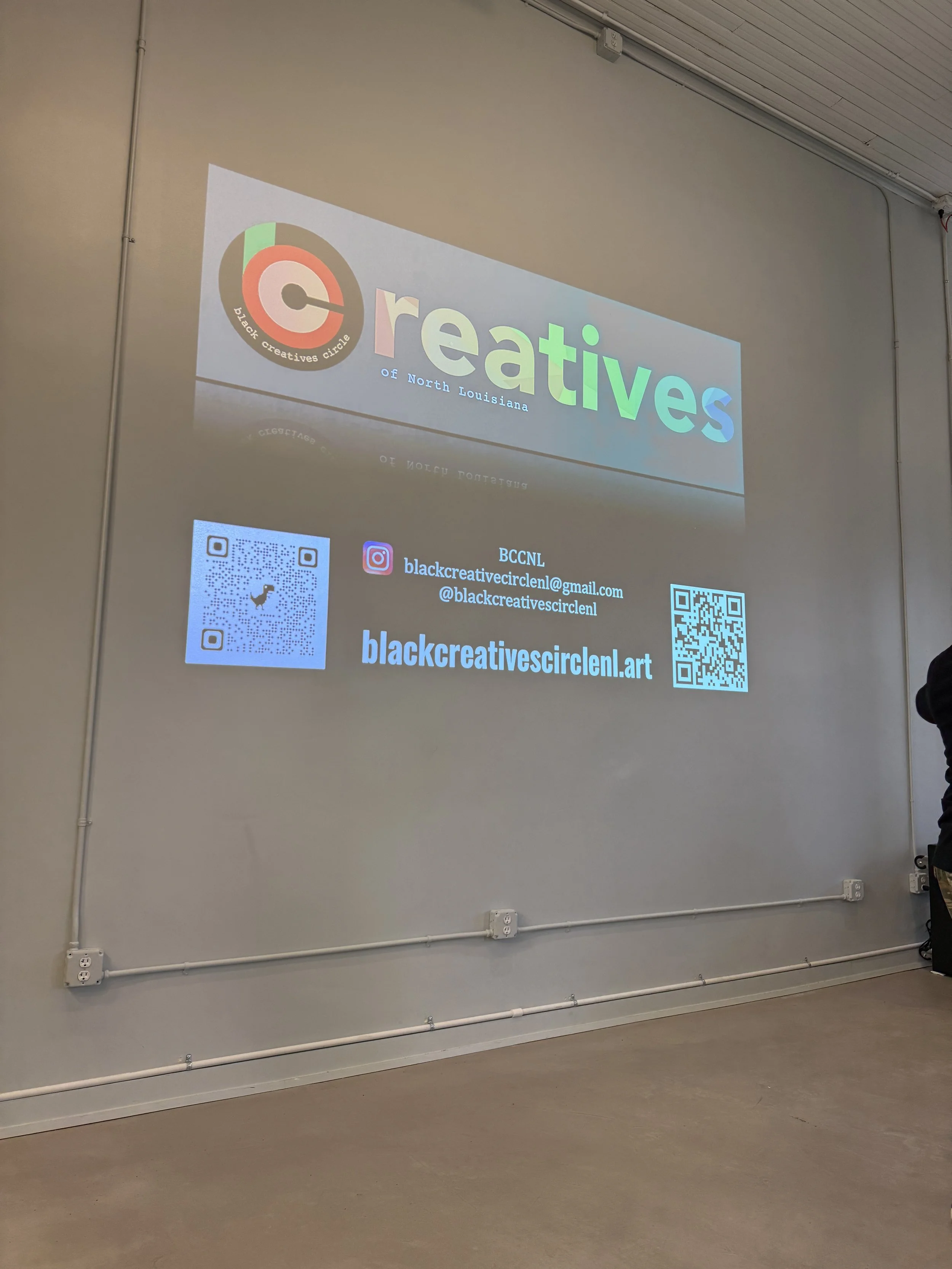
Vitus Shell introduced the Black Creatives Circle of North Louisiana, an artist think tank and safe space for visual artists, writers, performers, textile artists, and applied artists working in a region often described as a “creative desert.” Through dialogue, screenings, mentorship, and collective problem-solving, the Circle builds infrastructure where isolation once prevailed.
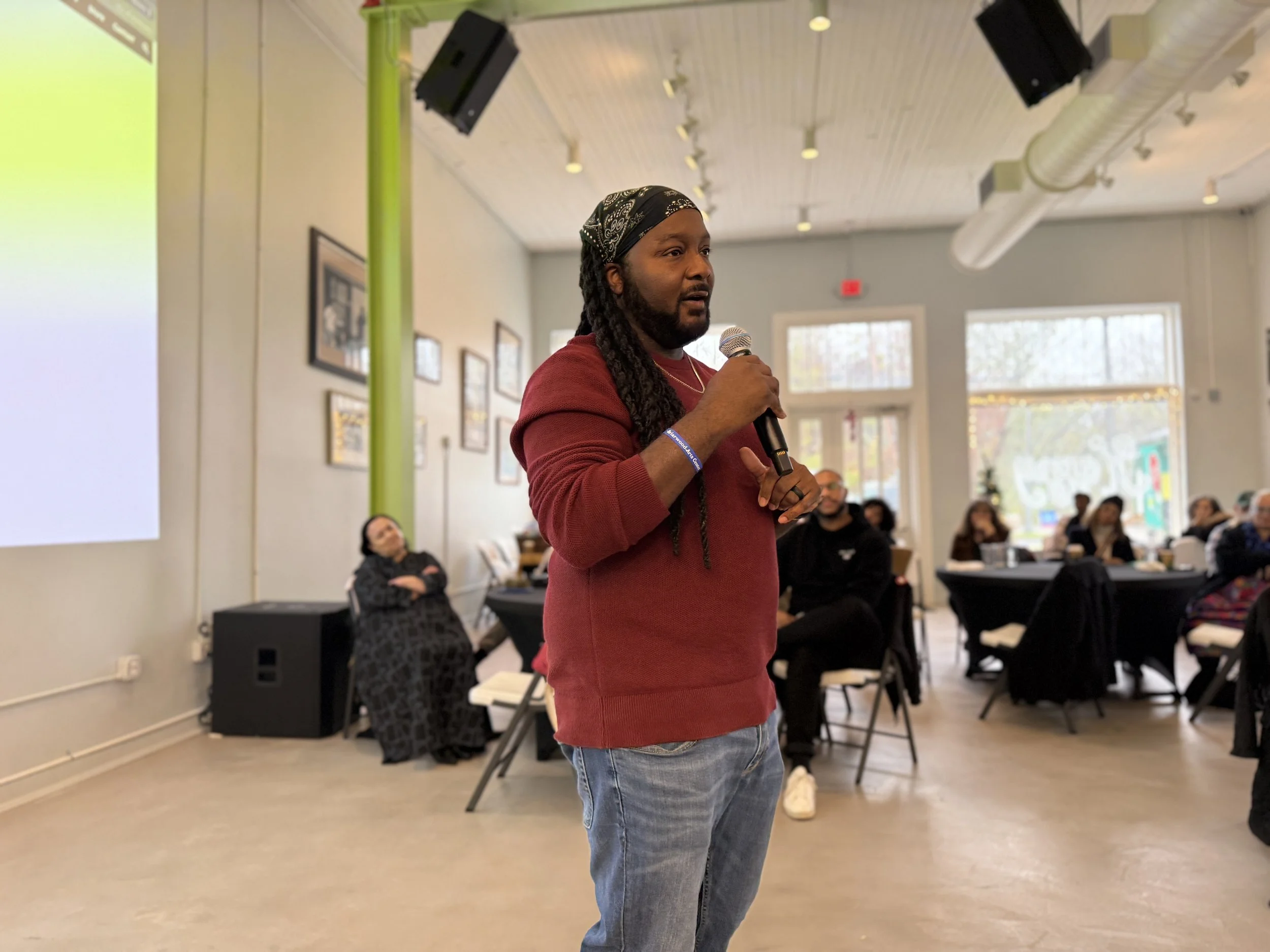
At the Briarwood Arts Center, founded by Stephen Brown, we learned how a formerly abandoned clinic-daycare complex purchased during the pandemic became a community arts hub—officially opened with a listening session in 2022. Since then, Briarwood has expanded with a coffee and ice cream shop offering free arts programming on the south end of town. For Briarwood, the arts function as a Trojan horse for youth mentorship, leadership development, and intergenerational transmission of wisdom.
“We have everything we need—except the knowledge that we already have it.”
Designing What Comes Next: Rural Routes
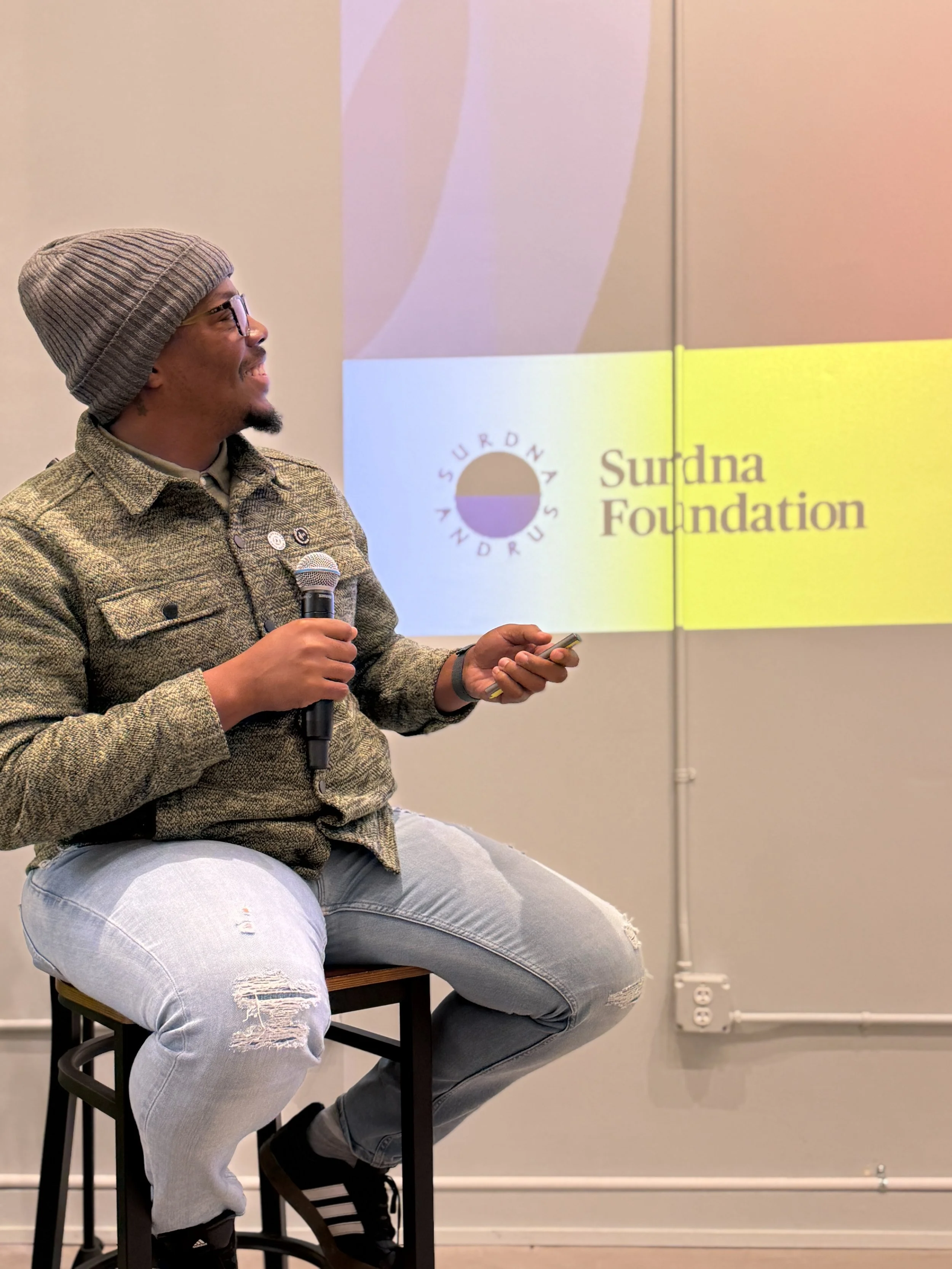
Saint Allen Austin expanding on the upcoming Rural Routes Design + Lab Studio, launching in 2026.
Our day closed with a forward-looking vision for the Rural Routes Design Lab + Studio, led by Saint Allen Austin of Sipp Culture in partnership with the Surdna Foundation’s Thriving Cultures program.
Launching in 2026, the Design Lab will offer virtual and in-person workshops focused on:
Business structure basics for artists
Financial fundamentals
Navigating community partnerships
Power mapping for deeper community engagement
These will culminate in a Universal Workshop designed to support artists in articulating vision and strengthening applications for the Design Studio—investing not just in projects, but in long-term rural cultural infrastructure.
Walking Forward Together
What Utica offered us was not a set of isolated case studies. It revealed a systems-level practice of cultural sovereignty, where land, food, archives, education, infrastructure, and imagination are tended together.
This is not rural culture as “access.” This is rural culture as authorship, protection, and power.
From farming to archiving, from youth mentorship to artist protection, from abandoned buildings to future-facing design labs, Utica reminded us that cultural ecosystems grow when communities are trusted to author their own futures—and resourced to do so with patience and care.
As one lesson echoed throughout the day: Transformation does not arrive all at once. It grows—quietly, relationally, from the ground up.
And we were honored to witness it in motion.
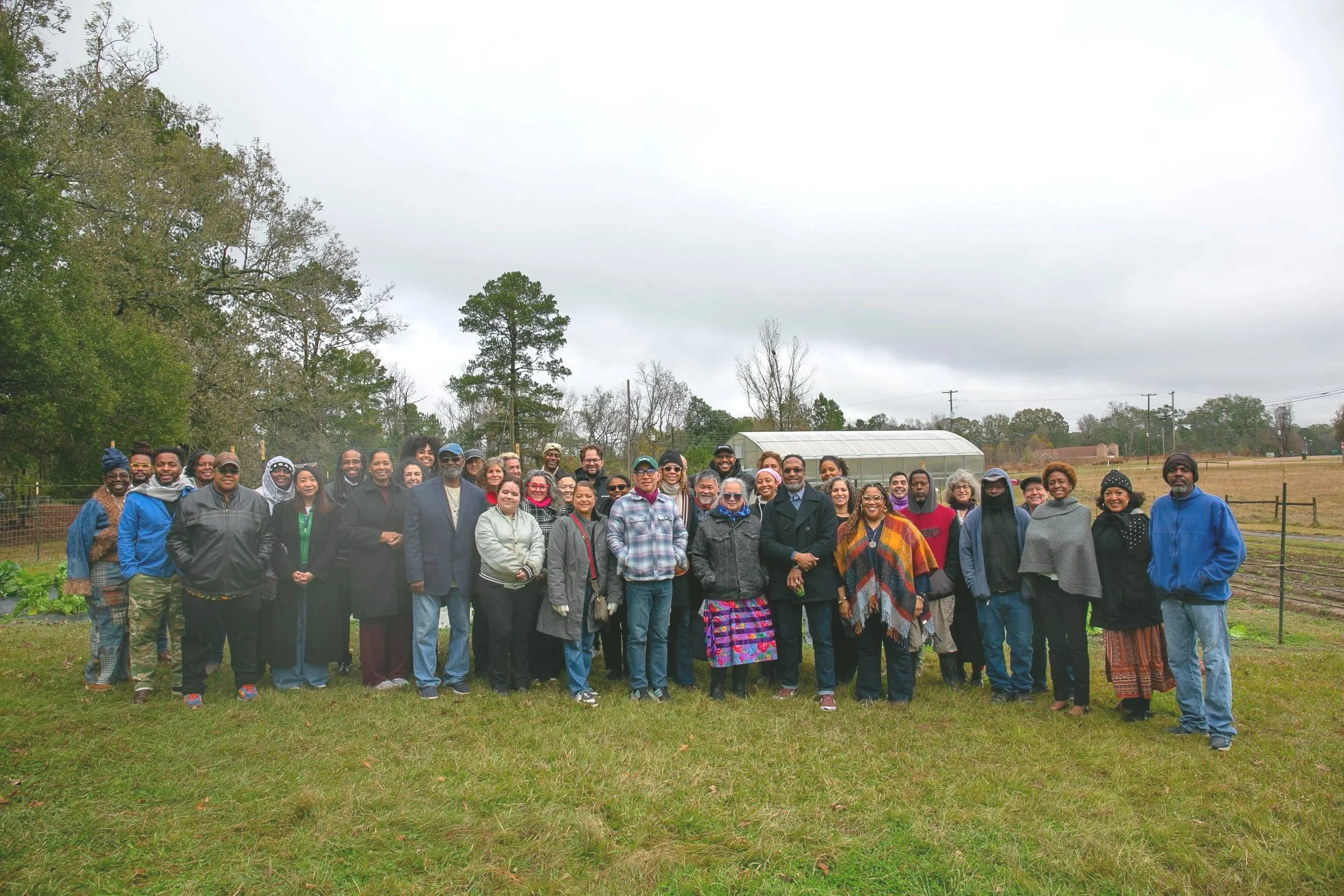
Members of Grantmakers in the Arts and Sipp Culture at the community farm.
ABOUT THE AUTHOR
Nadia Elokdah is the Vice President and Director of Programs of Grantmakers in the Arts.
Ericka Jones-Craven is the Communications and Publications Manager of Grantmakers in the Arts (photo credits).